Market Update

ADNOC's $10B Upper Zakum Expansion, Petrobras SEAP FPSOs, and Indonesia's Offshore Block Bonanza Reshape Talent Demand Across SEA & Middle East

Three landmark developments representing over $35 billion in committed CAPEX are redefining subsea and offshore manpower demand through 2031

June 4, 2026 6 min read Project Signing · FPSO Contract · Regional Focus IntelliS Research Team

Executive Summary

Three landmark developments this week — ADNOC's Upper Zakum expansion entering construction, Petrobras awarding SBM Offshore twin FPSO contracts for Sergipe, and Indonesia releasing 118 oil and gas blocks heavily weighted offshore — are redefining subsea and offshore manpower demand across the Middle East and Southeast Asia through 2031.

Together, they represent over $35 billion in committed CAPEX, requiring thousands of specialist roles with localisation mandates and cross-sector competition intensifying the talent squeeze.

1. ADNOC Upper Zakum: $10B+ Offshore Expansion Enters Construction Phase

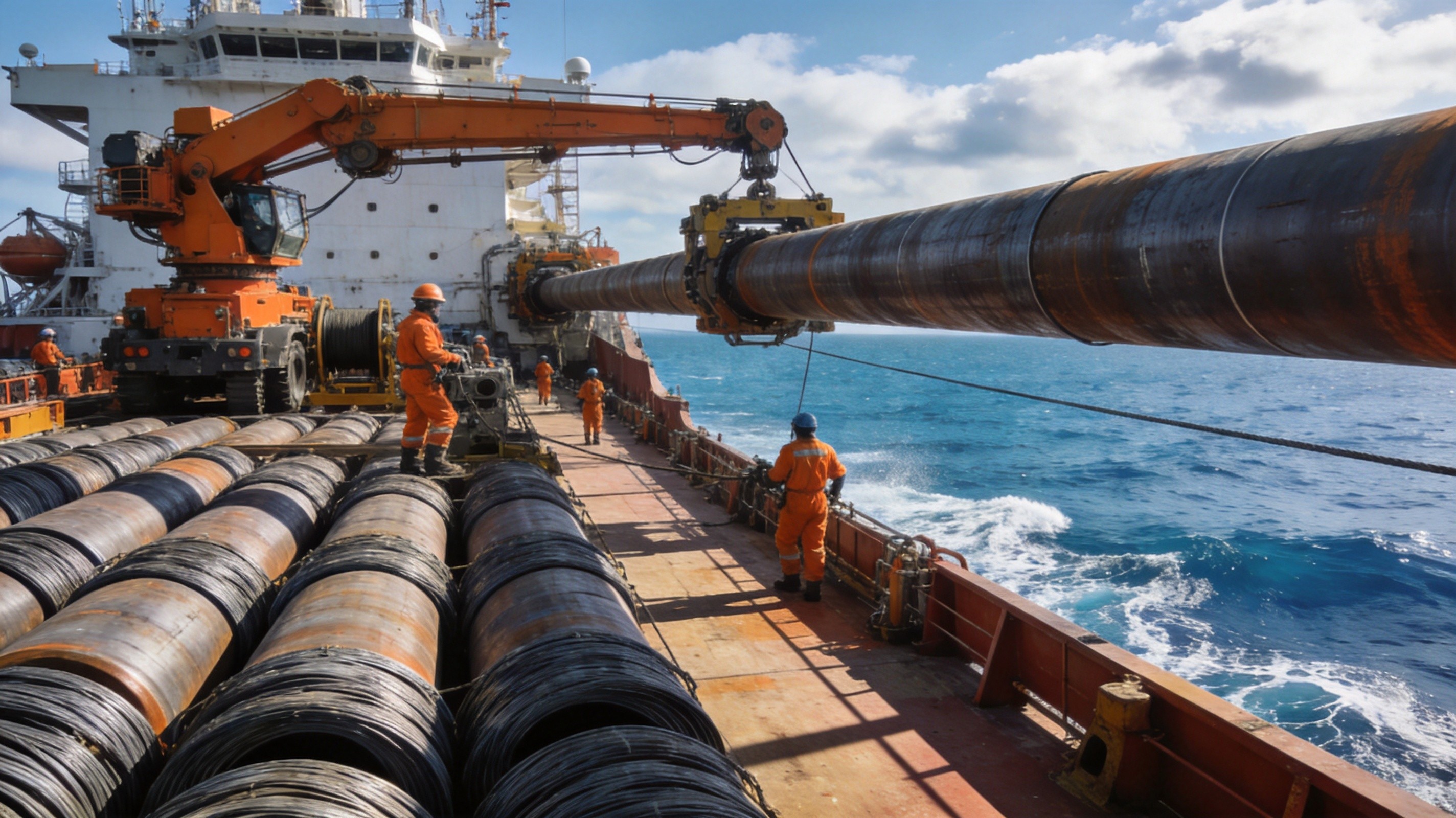
Offshore platform commissioning — Upper Zakum expansion
UAE, Upper Zakum Field June 2026 Source: ADNOC / Industry Reports

ADNOC Offshore has selected contractors for multiple major EPCI packages under its Upper Zakum offshore expansion, pushing the over $10 billion project into full-scale construction. The expansion targets up to 1.5 million bopd at one of the world's largest offshore fields. Scope covers wellhead facilities, utility systems, water injection, offshore pipelines, and brownfield integration across artificial islands. Strategic partners ExxonMobil and INPEX remain involved.

Separately, Saudi Aramco advanced $1.7 billion in offshore development contracts, underscoring a Gulf-wide investment cycle.

Workforce Implications

The Upper Zakum expansion requires substantial mobilisation of subsea construction and installation specialists, pipeline engineers, and commissioning teams. ADNOC's ICV programme mandates over 80% of contract value flows back into the UAE, reinforcing demand for nationalised roles in project management and HSE.

Specialist expatriate positions — deepwater pipeline installation, heavy-lift marine operations, AI-enabled drilling — face heightened competition as multiple Gulf mega-projects overlap on the 2026–2028 timeline.


2. Petrobras SEAP: SBM Offshore Secures Two FPSOs Worth $13.6B

FPSO installation — Petrobras SEAP programme
Brazil, Sergipe Águas Profundas June 2026 Source: Petrobras / SBM Offshore

Petrobras has awarded SBM Offshore contracts for FPSOs SEAP-I (P-81) and SEAP-II (P-87) under the Sergipe Águas Profundas development, with total investment exceeding R$70 billion ($13.6 billion). Both units utilise SBM's Fast4Ward® design — the company's 11th and 12th newbuild hulls.

P-87 processes 120,000 bopd with 425 MMcfd gas treatment, delivery in 2030, 2,500m water depth. P-81 follows in 2031 with 120,000 bopd and 355 MMcfd gas treatment. A key differentiator: integrated gas export pipeline enabling direct onshore delivery. The project is expected to generate over 25,000 direct and indirect jobs.

Workforce Implications

The SEAP programme will drive multi-year demand for FPSO project teams — from hull and topsides construction engineers to commissioning supervisors and operations readiness personnel. With first oil in 2030, the hiring cycle begins now.

Brazil's local content requirements will prioritise domestic hiring for fabrication and installation, while specialist expatriate roles in gas processing, deepwater subsea tie-in, and advanced control systems will remain tightly supplied. Salary benchmarks for senior FPSO operations managers in Brazil's pre-salt corridor have already climbed 12–15% year-on-year, and the SEAP awards will further tighten availability.

3. Indonesia Opens 118 Oil & Gas Blocks: 87% Offshore, FPSO Pipeline Building

Offshore drilling rig — Indonesia offshore block release
Indonesia June 2026 Source: Indonesia MEMR / Industry Reports

Indonesia's Ministry of Energy and Mineral Resources has released 118 oil and gas cooperation blocks, with offshore-dominated blocks comprising over 87% of the total — 72 pure offshore and 31 onshore-offshore mixed blocks.

The near-term pipeline is particularly material: the Abadi LNG FPSO ($8–10 billion) is in final FEED with EPC tendering expected in early 2027, and Indonesia's 2023 CCS regulation requires all 15 active FPSOs to retrofit carbon capture systems by 2030 — a $500 million modification market.

Mid-term, the Bintuni and Drawa blocks (signed with BP, CNOOC, and INPEX in May 2026) could generate $15–20 billion in FPSO orders if exploration confirms resources, while nine frontier offshore blocks hold potential for 3–4 additional FPSO awards by 2029.

Workforce Implications

Indonesia's offshore block release creates a layered talent demand profile. In the 1–2 year window, seismic survey crews, drilling rig teams, and subsea equipment specialists are immediately needed.

The Abadi FPSO FEED-to-EPC transition will require process engineers, naval architects, and project controls personnel — many sourced internationally given limited domestic FPSO design capability. The CCS retrofit programme adds a new skill demand layer: CO₂ capture module engineers, subsea injection system specialists, and environmental compliance officers.

With PETRONAS simultaneously requiring an estimated 25,000 workers for turnarounds and decommissioning across 2026–2027, cross-border talent competition within Southeast Asia is set to intensify sharply.

Intellis Intelligence Assessment

The convergence of these three mega-projects — spanning the Gulf, Brazil, and Southeast Asia — signals a structural tightening of the global subsea and offshore talent market through at least 2031. Key observations:

  • hiring timelines are accelerating. SEAP's 2030 first-oil target means hiring for operations roles must commence by mid-2027; Upper Zakum's construction phase demands immediate mobilisation. Companies that delay workforce planning by even one quarter risk paying premium rates for scarce specialists.
  • Localisation vs. specialist imports. All three jurisdictions enforce local content requirements, yet none has sufficient domestic supply of deepwater subsea, FPSO commissioning, or CCS engineering talent. The gap will be filled by a competitive international secondment market — with day rates for senior subsea engineers projected to exceed $1,800/day by 2028.
  • Cross-sector competition compounds scarcity. PETRONAS's dual expansion across hydrocarbons, CCS, and renewables — alongside Malaysia's offshore wind ambitions — means the same talent pool is being pulled in multiple directions. Companies that offer multi-project career pathways and cross-sector training will gain a decisive retention advantage.

Data Sources: ADNOC Official Announcements, Petrobras Investor Relations, SBM Offshore Press Releases, Indonesia MEMR, 4COffshore, OE Digital, Clarksons Research. Data as of June 4, 2026.

Intelligence Note

Access our EPCIC Salary Benchmarks — 1,572 data points across 45 disciplines, 9 markets, 3 seniority levels. Data sourced from IntelliS Talent Intelligence Database covering 782 benchmarks across 45 disciplines. Explore our intelligence products →

Back to News
Share: LinkedIn
Was this insight useful?