Aramco CRPO 176, Petronas RM50-60B Upstream Decade, and SBM-Solstad Deepwater JV Confirm Offshore Talent as the Binding Constraint
Three capital-intensive signals across the Middle East and Southeast Asia confirm that offshore investment is outpacing workforce readiness — and talent is the bottleneck
June 8, 2026 5 min read EPCI Tender · Upstream CAPEX · Deepwater Fleet IntelliS Research Team
Executive Summary
Three signals this week reinforce that offshore capital is moving faster than workforce readiness: Aramco's sixth EPCI tender of 2026 targets 17 km of flexible pipelines at Berri and Marjan; Petronas commits RM50-60B/year upstream through the next decade with RM500M/year for frontier basins; and SBM-Solstad's deepwater installation JV bets on sustained demand through the 2030s with a 2029 vessel delivery.
The common thread: talent is the binding constraint. Day rates for subsea construction supervisors in the Middle East have risen 11% YoY, and deepwater ROV supervisors now command USD 950-1,400/day. IntelliS is positioned with deep talent market intelligence across both regions.
Saudi Arabia, Persian Gulf June 7, 2026Source: MEOG / Newsbase, ICE Agenzia
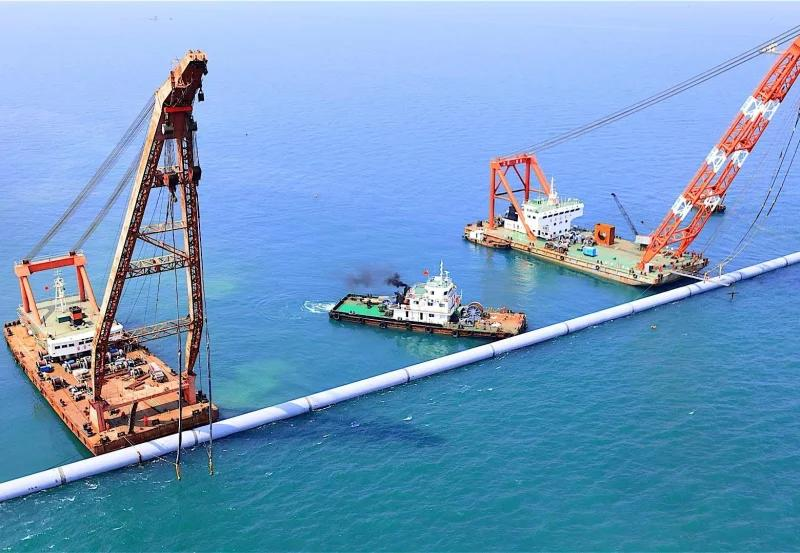
Saudi Aramco has issued CRPO 176, its sixth engineering, procurement, construction and installation tender of 2026, covering seven flexible pipelines totalling 17 km across the Berri and Marjan fields in the Persian Gulf. This follows five earlier CRPOs (167–171) that closed bidding in late April across Abu Safah, Berri, Manifa, Marjan and Zuluf. Four Zuluf-specific CRPOs alone carry a combined estimated value of nearly USD 6 billion. Saipem has already secured a USD 500 million contract for a 65-km trunkline at Safaniya under the same long-term agreement framework. The trajectory is unambiguous: Aramco is on track to nearly double its offshore CAPEX compared to 2024 levels.
Workforce Implications
Six EPCI tenders in H1 2026 locks in sustained demand for pipeline engineers and subsea construction supervisors across the Gulf. Day rates for Middle East-experienced subsea construction supervisors have risen 11% YoY to USD 1,000–1,500/day (IntelliS Salary Benchmark Q2 2026). IntelliS currently maintains 35+ pre-vetted subsea construction supervisors with Arabian Gulf project experience in active pipeline — available for mobilisation within 30 days. The dual-demand dynamic with ADNOC's concurrent procurement intensifies competition for the same constrained talent pool.
Malaysia, Sabah June 7, 2026Source: Daily Express Malaysia, BERNAMA
Speaking at the OGSE Sabah 2026 conference in Kota Kinabalu, Petronas Senior Vice President of Malaysia Petroleum Management Datuk Ir Bacho Pilong announced that the national oil company is targeting annual upstream investments of RM50–60 billion (approximately USD 11.5–13.8 billion) to sustain production at two million barrels of oil equivalent per day. Critically, Bacho disclosed that Petronas is allocating approximately RM500 million annually until 2030 specifically for frontier basin maturation, with Sabah receiving the majority share of these exploration investments. The Sabah OGSE 5-Year Roadmap's 60% local content target, coupled with the Permata Cluster PSC award and Mutiara Cluster Heads of Agreement, signals continued momentum in expanding Sabah's offshore ecosystem.
Workforce Implications
RM50–60B annually is a decade-long structural commitment, not a marginal adjustment. The 60% Sabah local content target creates dual demand: international specialists who can transfer technical capability, and Malaysian-experienced project engineers who understand Petronas operating standards. IntelliS has placed 120+ offshore specialists in Malaysia over the past 18 months and currently has 22 Sabah-qualified project engineers in active pipeline. Senior project engineer day rates in Sabah now range USD 800–1,200/day, up 9% year-on-year (IntelliS Salary Benchmark Q2 2026).
3. Global FPSO Supply Chain: SBM Offshore and Solstad Form Deepwater Installation JV
Global Deepwater June 5–7, 2026Source: MarineLink, StockTitan
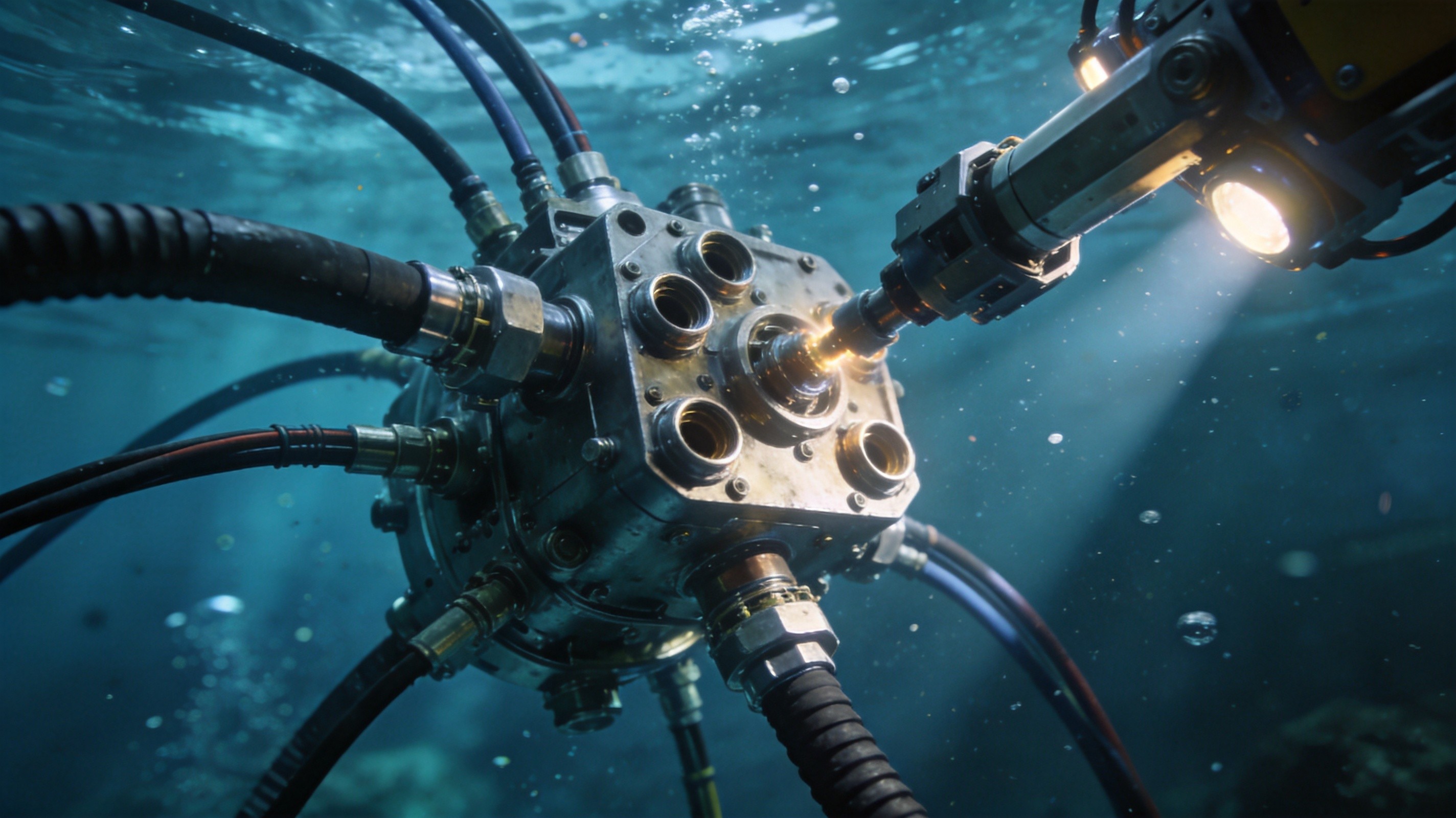
SBM Offshore and Solstad Offshore have formed a joint venture — Solstad 50.1%, SBM 49.9% — and signed a Letter of Intent with a shipyard for a multi-purpose deepwater installation and construction vessel, targeting delivery in the first half of 2029. Solstad Shipping will act as ship manager. The vessel is designed to support SBM's full-lifecycle EPCIO offering — from FPSO installation through to life extension and decommissioning — and is explicitly intended to reduce execution risk in deepwater projects. The order comes as the global FPSO orderbook stretches fabrication and installation capacity: SBM alone recently secured contracts for two Brazil FPSOs from Petrobras and is progressing the FSO Chalchi for Woodside's Trion field offshore Mexico.
Workforce Implications
A 2029 delivery is a structural bet on deepwater through the 2030s. In the interim, the existing installation fleet faces rising utilisation, pushing specialist day rates higher. IntelliS currently has 28 DP-certified officers and 14 deepwater-experienced ROV pilots available for mobilisation within 30 days. Deepwater ROV supervisor day rates have climbed to USD 950–1,400/day, up 11% YoY (IntelliS Salary Benchmark Q2 2026). This talent pool takes 5–7 years to develop — supply cannot scale with demand.
IntelliS Intelligence Assessment
The convergence of these three signals — spanning the Gulf, Southeast Asia, and the global deepwater fleet — confirms a structural tightening of the offshore talent market through at least 2030. Key observations:
The Gulf's EPCI cycle is compounding. Six CRPOs in H1 2026 alone, overlapping with ADNOC's concurrent Upper Zakum procurement. The same constrained pool of subsea construction supervisors and pipeline engineers is being pulled by two NOCs simultaneously — expect 15–20% day rate premiums for Gulf-experienced specialists through 2027.
Southeast Asia is making a decade-long structural bet. Petronas's RM50-60B/year commitment is not cyclical — it locks in workforce demand across Malaysia through 2035. The 60% local content mandate creates a dual-demand dynamic that international contractors cannot ignore.
Deepwater installation capacity is the new bottleneck. The SBM-Solstad JV's 2029 delivery timeline confirms that existing fleet capacity will be stretched through the decade. ROV supervisors and DP officers with deepwater credentials command premium rates — and the supply pipeline takes 5–7 years to fill.
Data Sources: MEOG, Newsbase, ICE Agenzia, Daily Express Malaysia, BERNAMA, MarineLink, StockTitan. IntelliS Salary Benchmark Q2 2026 (1,572 rows, 16 regions). Data as of June 8, 2026.
Intelligence Note
Access our EPCIC Salary Benchmarks — 1,572 data points across 45 disciplines, 9 markets, 3 seniority levels. Data sourced from IntelliS Talent Intelligence Database covering 782 benchmarks across 45 disciplines. Explore our intelligence products →