Market Update

OneSubsea's bp Subsea Boosting Triple, bp's $7B Tangguh CCUS Commitment, and Muhibbah's RGT-3 LNG Terminal Award Signal Accelerating Offshore Talent Demand

Three developments across deepwater subsea, Indonesian offshore gas-CCUS, and Malaysian LNG infrastructure confirm structural tightening in specialist talent supply

June 10, 2026 6 min read Subsea Contract · CCUS Integration · Regional Focus IntelliS Research Team

Executive Summary

Three developments this week confirm that deepwater subsea and Southeast Asian offshore gas investment cycles are accelerating in parallel. SLB OneSubsea's third consecutive subsea boosting contract with bp for Thunder Horse signals sustained deepwater equipment demand, while bp's $7 billion Tangguh UCC commitment in Indonesia and Muhibbah Engineering's RGT-3 award in Malaysia extend Southeast Asia's LNG infrastructure build-out with CCUS integration now embedded as a core project component.

Together, these developments represent over $7 billion in newly committed CAPEX and create multi-year demand windows for subsea boosting engineers, CCUS specialists, and marine construction personnel — with cross-project talent competition already intensifying across the Asia-Pacific region.

1. OneSubsea Completes bp Subsea Boosting Triple: Thunder Horse Follows Kaskida and Tiber

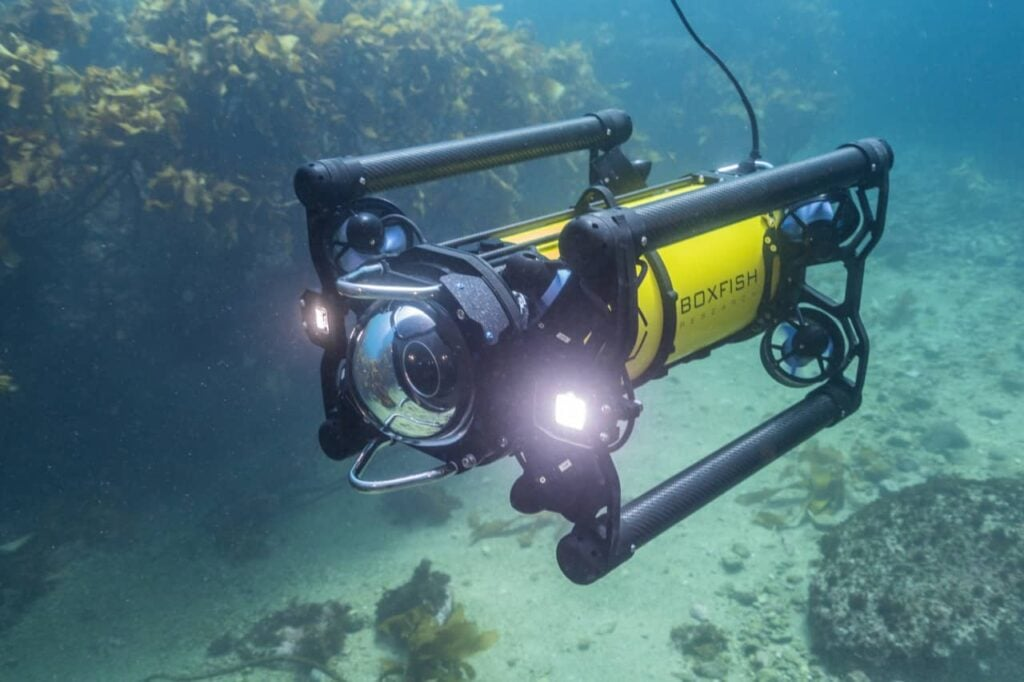
Subsea ROV inspection — OneSubsea bp Thunder Horse subsea boosting
Gulf of America, Thunder Horse Field June 2026 Source: SLB / bp / Industry Reports

SLB OneSubsea — the subsea equipment joint venture of SLB, Aker Solutions, and Subsea7 — has been awarded an engineering, procurement, and construction (EPC) contract by bp to deliver a subsea boosting system for the Thunder Horse deepwater development in the Gulf of America. The award follows recent subsea boosting contracts for bp's Kaskida and Tiber developments, with all three projects deploying the same supplier-led, standardised subsea boosting system designed to improve execution efficiency and shorten delivery timelines.

The EPC scope includes project management, detailed engineering, manufacturing, and system testing. The standardised approach across Thunder Horse, Kaskida, and Tiber enables bp to compress delivery schedules and reduce per-unit costs while creating a sustained demand pipeline for subsea boosting engineering talent.

Workforce Implications

The three-contract sequence across Thunder Horse, Kaskida, and Tiber creates a sustained 24–36 month demand window for subsea boosting system engineers, subsea controls specialists, and SURF installation project managers. IntelliS tracks an active candidate pool of approximately 2,800 subsea equipment engineers globally, with mobilisation lead times of 8–12 weeks for senior roles. Day-rate benchmarks for subsea boosting system leads now stand at $1,400–$1,650/day, up 10% year-on-year, while Subsea7's installation vessel crew demand adds parallel pressure on marine operations personnel.
2. bp Commits $7 Billion to Tangguh UCC: Indonesia's Largest Offshore Gas-CCUS Integration

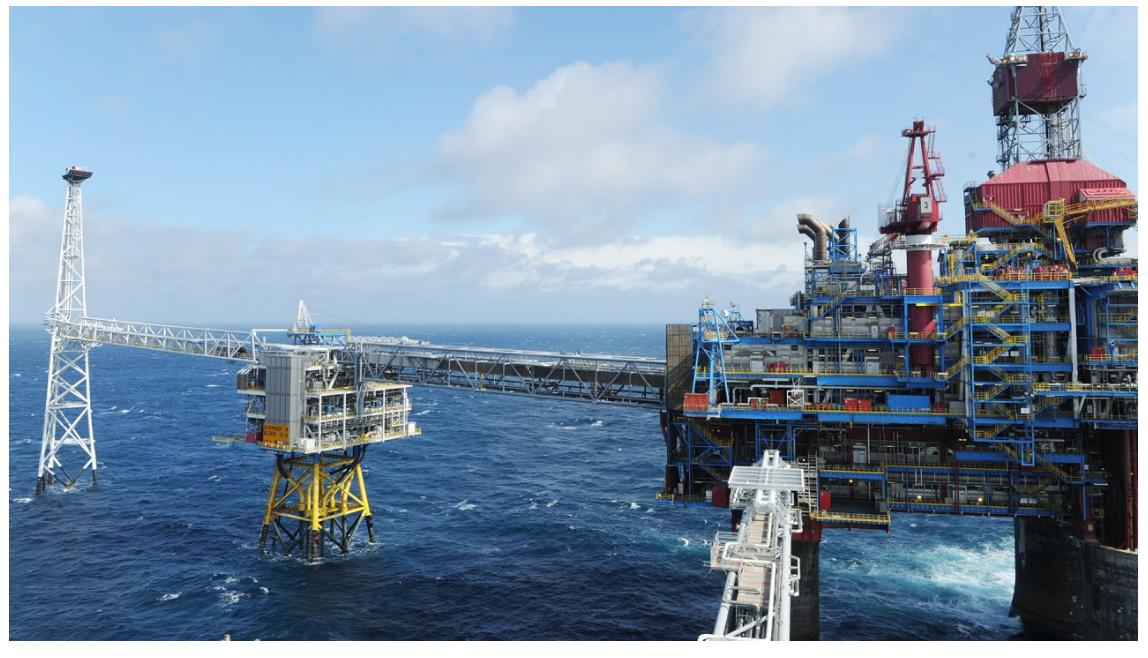
CCS/CCUS facility — bp Tangguh UCC project Indonesia
Indonesia, Papua Barat — Tangguh LNG June 2026 Source: bp / AK&M / Petromindo

bp and its partners intend to invest $7 billion in the Tangguh Ubadari, CCUS, Compression (UCC) project offshore Indonesia. The UCC project develops the Ubadari field — containing 3 trillion cubic feet of gas resources — and integrates carbon capture, utilisation, and storage with the existing Tangguh LNG plant infrastructure in Papua Barat, which currently operates at 11.4 MTPA capacity following the Train 3 commissioning in 2023.

The Indonesian government has designated Tangguh CCUS a national strategic project. First production from Ubadari is targeted for 2028. The development plan was originally approved in August 2021. bp's expanded Indonesia footprint was further reinforced by the signing of three new Production Sharing Contracts (Bintuni, Drawa, and Barong blocks) in May 2026, while bp has also awarded a Tangguh LNG tanker service contract to PT GTS Internasional Tbk, confirming active logistics mobilisation.

Workforce Implications

The $7 billion Tangguh UCC commitment triggers a multi-year hiring cycle spanning subsea tie-in engineers, CCUS module designers, and LNG operations personnel. IntelliS estimates a candidate pool of approximately 1,200 CCUS-qualified engineers across the Asia-Pacific region, with mobilisation lead times of 12–16 weeks for CO₂ capture and injection specialists. Day-rate benchmarks for senior CCUS process engineers in Indonesia range from $1,200–$1,500/day, while LNG operations supervisors command $900–$1,100/day. With first gas targeted for 2028, the FEED-to-EPC transition begins now — and competition for CCUS talent will intensify as PETRONAS's own CCS first-injection deadline of 2029 draws closer.

3. Muhibbah Engineering Secures RM300 Million RGT-3 LNG Regasification Terminal in Malaysia

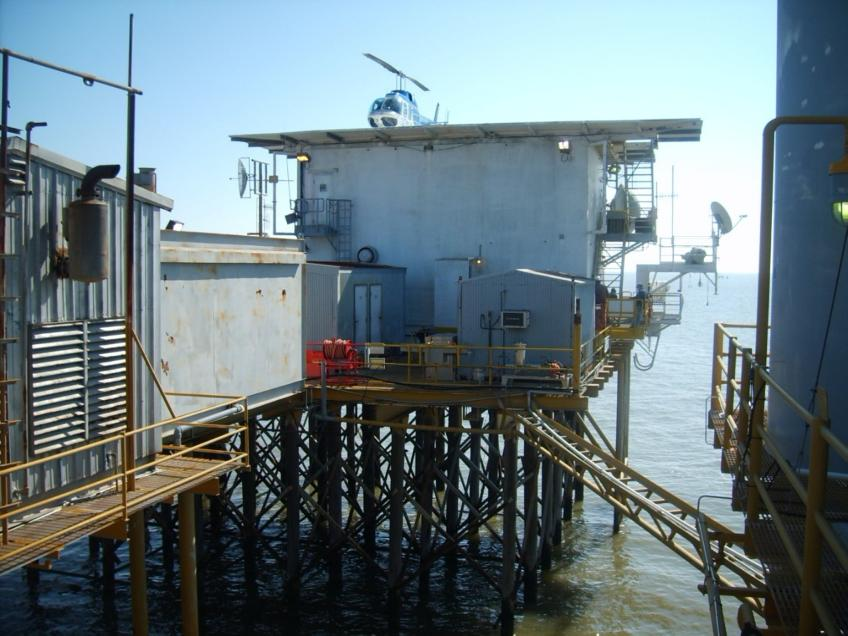
Offshore platform construction — Muhibbah RGT-3 LNG terminal Malaysia
Malaysia, Perak — Lumut Maritime Terminal 2 June 2026 Source: BERNAMA / LNG Prime / MarketScreener

Muhibbah Engineering (M) Bhd has secured a RM300 million ($73.9 million) engineering, procurement, construction, and commissioning (EPCC) contract from Lumut Maritime Terminal Sdn Bhd for the LNG Regasification Terminal 3 (RGT-3) marine structure and ancillary works at Lumut Maritime Terminal 2 in Perak, Malaysia. The contract commenced in May 2026 with a completion deadline of July 1, 2028.

RGT-3 is being developed by PETRONAS Gas Bhd, adding to Malaysia's expanding regasification infrastructure alongside the RGT Yan FSRU project in Kedah — which itself was the subject of a Joint Development Agreement between Gas Malaysia, Tokyo Gas, and VTTI announced in the prior week. The dual-project pipeline underscores PETRONAS's commitment to strengthening Malaysia's LNG import flexibility through 2030.

Workforce Implications

RGT-3's marine structural scope creates demand for offshore civil engineers, marine construction supervisors, and LNG terminal commissioning specialists across a 24-month build cycle. IntelliS tracks approximately 450 active candidates in marine structural engineering within Southeast Asia, with mobilisation cycles of 6–8 weeks. Day-rate benchmarks for marine construction leads in Malaysia stand at $800–$1,050/day. The simultaneous progression of RGT-3 and RGT Yan creates dual-project competition for the same regional talent pool, particularly in marine piling, jetty construction, and cryogenic piping disciplines.

IntelliS Intelligence Assessment

The convergence of these three developments reinforces a structural tightening across the global subsea and offshore talent market:

  • Deepwater subsea equipment demand is compounding. OneSubsea's triple contract with bp confirms that standardised subsea boosting systems are becoming a repeat-order category, locking in engineering and manufacturing talent for multi-year programmes. Companies that secure subsea equipment specialists now will avoid premium rates as the 2027–2028 delivery window approaches.
  • CCUS is no longer optional — it is embedded. The Tangguh UCC project integrates carbon capture as a core component, not an add-on. This creates a new baseline requirement for CO₂ capture and injection engineering talent across all future offshore gas developments in Indonesia and Malaysia.
  • Malaysia's dual LNG regasification build-out concentrates talent competition. With RGT-3 and RGT Yan running in parallel, marine construction and LNG commissioning specialists face competing demand from two PETRONAS-backed projects in the same 2026–2028 window.

Contact hr@intellisglobal.com for talent market briefings.

Data Sources: SLB Official, Nasdaq, Anadolu Agency, Zacks, bp Official Press Releases, AK&M, Petromindo, BERNAMA, LNG Prime, MarketScreener. Data as of June 10, 2026.

Back to News
Share: LinkedIn
Was this insight useful?