Market Update

QatarEnergy Sets LNG Restart Timeline; ADNOC Awards $806M AI-Enabled Island Rigs for Upper Zakum

Two developments reshape Gulf offshore talent demand: a phased LNG restart with a multi-year repair cycle, and a next-generation drilling programme at the world's second-largest offshore field

June 17, 2026 5 min read LNG Restart · Drilling Contract · Regional Focus IntelliS Research Team

Executive Summary

Two developments this cycle reshape the Middle East offshore talent landscape. QatarEnergy has provided its first concrete LNG restart timeline: approximately 50% capacity within one month of the Strait of Hormuz reopening, rising to roughly 80% within two months. Two damaged LNG trains at Ras Laffan — representing 17% of Qatar's capacity — will require three to five years for full repair.

Simultaneously, ADNOC Drilling has been awarded an $806 million long-term contract for three AI-enabled island rigs at the Upper Zakum expansion, with rigs joining the fleet between 2027 and 2028. Together, these developments signal a two-phase workforce mobilisation: immediate operations remobilisation alongside a sustained multi-year demand cycle for specialist construction and drilling personnel.

1. QatarEnergy LNG Restart: 50% Within One Month, 80% Within Two Months

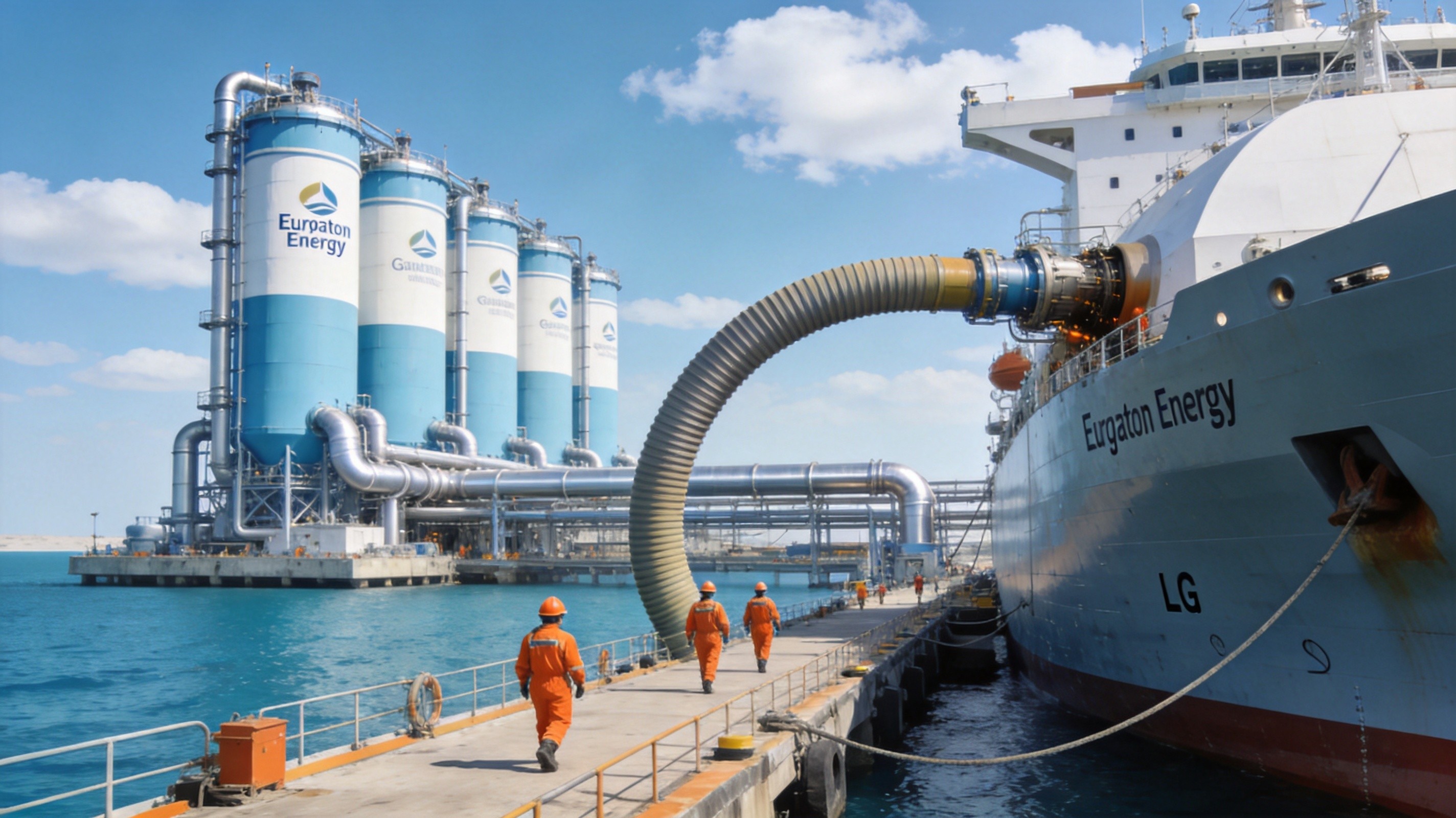
LNG facility — QatarEnergy restart timeline
Qatar, Ras Laffan June 2026 Source: QatarEnergy / Industry Reports

QatarEnergy has informed its LNG customers that it expects to restore production to approximately 50% of capacity within one month of the Strait of Hormuz reopening to commercial traffic, rising to roughly 80% within two months. The two LNG trains damaged by Iranian missile strikes at Ras Laffan — representing approximately 17% of Qatar's liquefaction capacity — will require three to five years for full structural repair.

This timeline is faster than some analyst expectations but confirms that pre-conflict output levels remain years away. Wood Mackenzie estimates that affected Middle East producers could restore roughly 70% of pre-crisis production within three months and approximately 90% within six months under a measured restart scenario. Total regional repair spending is projected at approximately $46 billion, spanning refining, petrochemical and upstream infrastructure.

Korean and Chinese EPC contractors — whose Middle East orders have collapsed by 90% year-on-year — stand to benefit as reconstruction tenders materialise, potentially reopening a major tender pipeline that was frozen during the conflict.

Workforce Implications

The phased restart creates a two-tier talent demand pattern: an immediate remobilisation of operations and logistics personnel for undamaged trains — estimated at 2,000–3,000 roles across Ras Laffan and associated offshore platforms within the first 60 days — alongside a sustained multi-year demand cycle for LNG construction, commissioning and project management specialists to rebuild the two damaged trains.

Korean and Chinese EPC contractors returning to Gulf reconstruction tenders will intensify competition for bilingual project engineers with Gulf LNG experience, a cohort already in tight supply.
2. ADNOC Drilling: $806M Contract for Three AI-Enabled Island Rigs at Upper Zakum

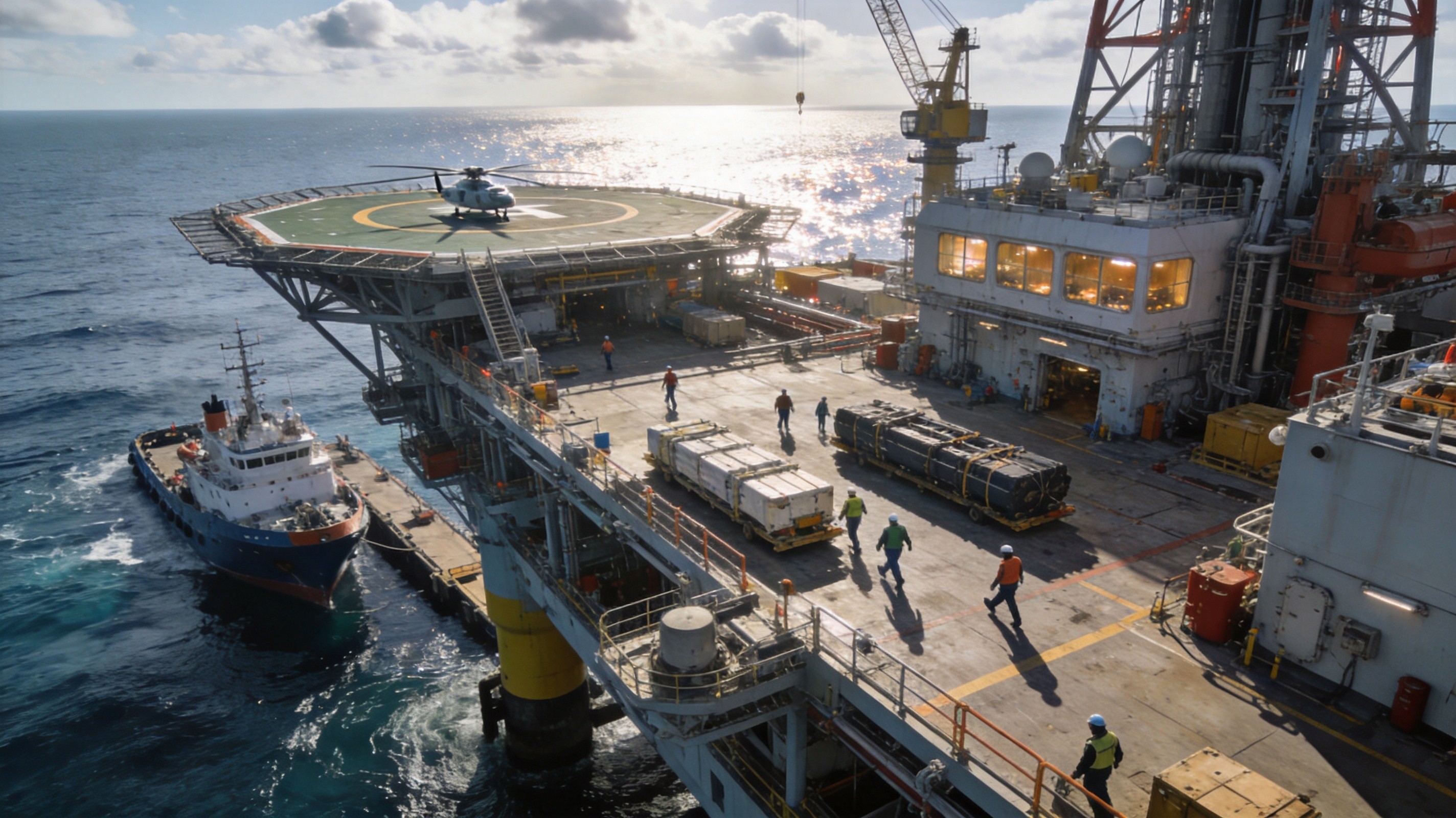
Island rig operations — Upper Zakum expansion
UAE, Upper Zakum Field June 2026 Source: WAM / ADNOC Official

ADNOC Drilling has been awarded an $806 million long-term contract by ADNOC Offshore for three newbuild island rigs to support expanding operations at the offshore Zakum development project. The rigs are in addition to three ordered in July 2024 and are expected to join the fleet between 2027 and 2028.

Developed through a strategic collaboration with Honghua Group, the new-generation rigs embed AI, advanced digitalisation and real-time analytics into both design and operations. Optimised for extended reach drilling (ERD), they will operate on ADNOC's artificial islands — home to the world's five longest wells, including a recent record at 53,000 feet. State-of-the-art walking capabilities enable seamless movement between well slots without rig dismantling, improving uptime and reducing emissions.

This drilling contract sits within the broader Upper Zakum expansion programme, which targets a production capacity increase to 1.5 million b/d with total investment exceeding $10 billion. EPCI packages for the expansion have been awarded to Técnicas Reunidas, NMDC Energy, McDermott and Saipem.

Workforce Implications

The six-island-rig programme (three from 2024 plus three newly awarded) signals a sustained demand corridor for ERD drilling supervisors, directional drillers and well-site leaders through at least 2030. The AI-embedded rig design introduces a new skill layer: operators proficient in real-time condition monitoring, predictive analytics and digitally augmented drilling workflows.

The Honghua Group partnership deepens the China-UAE technology channel in offshore drilling, suggesting increased demand for Mandarin-English bilingual drilling engineers and AI/digitalisation specialists with upstream domain knowledge.

IntelliS Intelligence Assessment

Two structural signals emerge from today's developments. First, the QatarEnergy restart timeline confirms that Middle East offshore workforce remobilisation will occur in two waves: a rapid operations-scale-up within 60 days for undamaged infrastructure, and a multi-year reconstruction cycle for damaged assets. Talent that can bridge both phases — LNG commissioning engineers with brownfield modification experience — will command premium day rates through 2028.

  • Hiring timelines are compressing. The QatarEnergy restart means hiring for LNG operations roles must accelerate immediately. Companies that delay workforce planning risk paying premium rates for scarce specialists, particularly bilingual LNG project engineers.
  • Upper Zakum creates a six-rig ERD demand envelope. The combined $10B+ EPCI and $806M drilling programme absorbs ERD talent from an already constrained global pool. The AI-embedded rig specification adds a digital-skills premium to an already scarce competency set.
  • Regional reconstruction compounds Gulf talent competition. The $46B repair spend estimate confirms a multi-year cycle that will overlap with existing mega-project demand from Upper Zakum, Saudi Aramco's CRPO programme, and Kuwait's upstream expansion — intensifying the structural shortage of Gulf-experienced offshore professionals.

Data Sources: WAM (UAE Official News Agency), Attaqa.net, El Economista, Petroleum Price Nigeria, National Security Journal, Economic Times, MarketScreener, FNNews. Data as of June 17, 2026.

Intelligence Note

Access our EPCIC Salary Benchmarks — 1,572 data points across 45 disciplines, 9 markets, 3 seniority levels. Data sourced from IntelliS Talent Intelligence Database covering 782 benchmarks across 45 disciplines. Explore our intelligence products →

Back to News
Share: LinkedIn
Was this insight useful?