
7 June 2026

ADNOC Upper Zakum Mega-EPC, Indonesia Unconventionals, Samsung Triple FLNG

Three signals reshaping the offshore talent landscape: a $10B+ Middle East EPC commitment, Southeast Asia's regulatory acceleration, and a world-first FLNG construction milestone

Subsea Offshore Daily News 3 min read IntelliS Research Team

Executive Summary

Three signals reshaping the offshore talent landscape this week: ADNOC has moved the largest offshore EPC package of the year — a $10 billion-plus Upper Zakum expansion — to provisional award stage; Indonesia is racing to unlock unconventional reserves with a new regulatory framework due within weeks; and Samsung Heavy Industries' Geoje yard has achieved a world-first triple FLNG build, with PETRONAS ZLNG at its centre.

1. Middle East: ADNOC Upper Zakum Mega-EPC Moves to Provisional Award

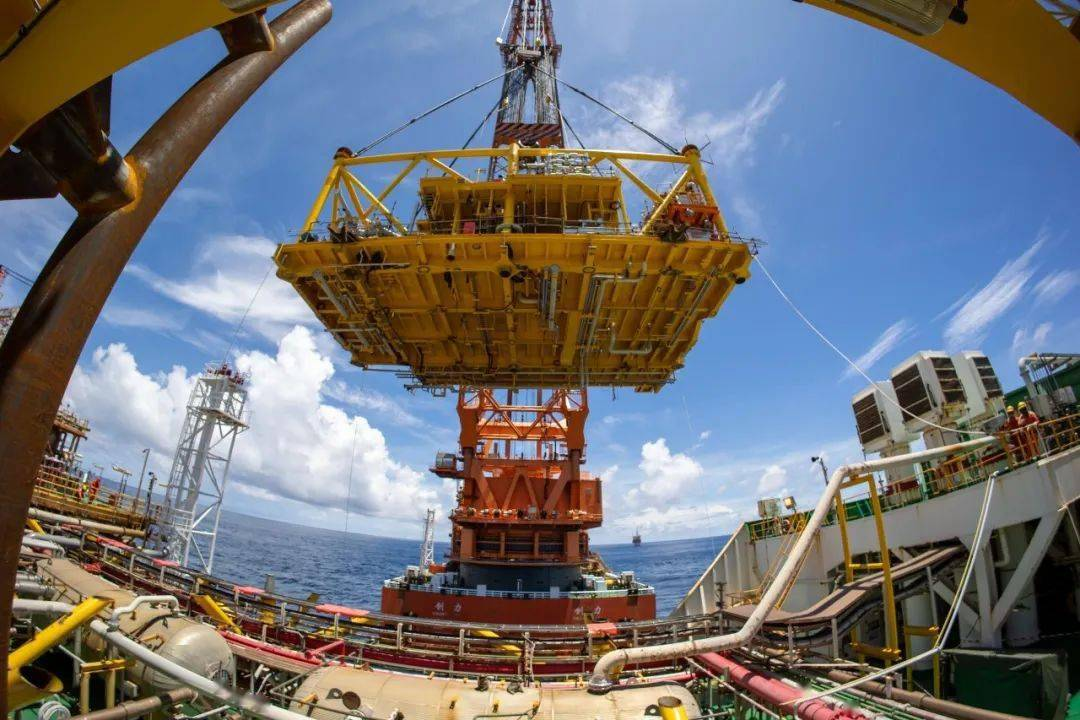
Upper Zakum offshore expansion - ADNOC
Middle East, Abu Dhabi June 7, 2026 Source: MEED / El Economista / Expansión

ADNOC Offshore has selected Técnicas Reunidas for EPCI Packages 1 and 3, and NMDC Energy for Package 2, of the next-phase development of the Upper Zakum field — the world's second-largest offshore oil field. The combined value of all three packages exceeds $10 billion, with the project targeting a production capacity increase to 1.5 million barrels per day.

This is the single largest offshore EPC commitment in the Middle East in 2026. The scale demands a multi-year mobilisation of offshore structural, pipeline, and topside engineering professionals. Técnicas Reunidas' dual-package win signals a return of Spanish EPC capacity into the Gulf, which will drive competition for bilingual project engineers across Abu Dhabi and Madrid offices. NMDC Energy's Package 2 reinforces the UAE's in-country value (ICV) trajectory — expect a strong local-content hiring requirement attached to this package, particularly for UAE-national graduates in mechanical and marine engineering.

Talent Market Impact: At this contract scale, recruitment cycles will begin within 60–90 days of final award. Expect premium day-rates for senior offshore construction managers and commissioning leads in Abu Dhabi, particularly those with prior ZADCO or ADMA-OPCO project experience. The ICV requirement on Package 2 may tighten the supply of UAE-national engineers further — companies without established Emiratisation pipelines will face 15–20% cost premiums for compliant hires.

2. Southeast Asia: Indonesia Fast-Tracks Unconventional Oil & Gas Regulation

Indonesia unconventional oil and gas regulation
Southeast Asia, Indonesia June 7, 2026 Source: ANTARA / Warta Ekonomi / CNBC Indonesia

Indonesia's Ministry of Energy and Mineral Resources (ESDM) is accelerating a dedicated regulatory framework for unconventional oil and gas (Migas Non-Konvensional, MNK), with SKK Migas requesting completion by end of June 2026 and implementation from early July. The policy push aims to boost domestic production and reduce import dependence amid rupiah depreciation.

The new framework will introduce a tailored contract structure for unconventional reserves — different from standard PSC terms — with adjusted profit-sharing to incentivise investment. This directly opens a new licensing window for tight gas, shale, and coalbed methane acreage, much of it offshore or near-shore East Kalimantan and Natuna. For EPC contractors and service companies already positioned in Indonesia, this creates a first-mover advantage in bidding for MNK-related engineering and drilling scopes.

Talent Market Impact: Indonesia's unconventionals push will generate demand for reservoir engineers with tight-gas and shale expertise — a skillset currently scarce in Jakarta's upstream talent pool. Expect expatriate demand for North American and Australian unconventional specialists to rise in Q3–Q4 2026, with day-rates for senior reservoir engineers likely to breach the $1,200–$1,500/day threshold. Indonesian local content rules will require structured knowledge-transfer programmes, creating parallel demand for technical trainers and bilingual project coordinators.

3. Asia-Pacific: Samsung Heavy Industries Achieves World-First Triple FLNG Build

Samsung Heavy Industries triple FLNG construction
Asia-Pacific, South Korea June 7, 2026 Source: Asia Economy / Seoul Economic Daily / Fnnews

Samsung Heavy Industries has launched the Cedar FLNG at its Geoje shipyard and is now simultaneously constructing three large FLNG units: PETRONAS ZLNG (Malaysia), ENI Coral Norte FLNG (Mozambique), and Cedar FLNG (Canada). This marks the first time a single yard has built three large FLNGs concurrently. The Cedar unit is scheduled for delivery in H1 2028.

The concurrent build concentrates global FLNG engineering capacity at a single location, creating a bottleneck for topside module fabrication, LNG cargo tank specialists, and commissioning engineers. PETRONAS ZLNG — the Malaysia-flagged unit — will require a dedicated commissioning and operations team as delivery approaches, with most hiring expected 12–18 months before sail-away.

Talent Market Impact: Three FLNGs in simultaneous construction means the pool of experienced FLNG commissioning managers and process engineers is effectively committed through 2028. For PETRONAS ZLNG, expect early recruitment of operations readiness and commissioning leads from late 2026 — companies planning FLNG projects in the region should lock in key commissioning personnel now, or face significant premium rates. The concentration of FLNG work at Geoje also strengthens Samsung's position as the preferred employer for Korean offshore engineers, potentially constraining the available talent pool for competing shipyard projects in Singapore and China.

IntelliS Intelligence Take: Three Structural Shifts Converging

First, the Middle East's mega-EPC cycle is accelerating. The Upper Zakum awards signal that ADNOC's 2026 capital programme is moving from planning to execution. At $10B+, this single project will absorb a significant share of Gulf-based offshore engineering talent for the next 3–5 years. Companies with Abu Dhabi mobilisation infrastructure and ICV-compliant hiring pipelines hold a structural advantage.

Second, Indonesia is opening a new regulatory frontier. The MNK framework creates a first-mover window for unconventional specialists. The combination of local content requirements and scarce domestic expertise means that early entrants who can pair expatriate technical knowledge with Indonesian knowledge-transfer capacity will capture the most attractive contract positions.

Third, the FLNG talent bottleneck is intensifying. With three major units in simultaneous construction at a single yard, the global FLNG commissioning talent pool is effectively committed through 2028. For PETRONAS ZLNG specifically, the operations readiness recruitment window is opening now — companies that delay will face 20–30% premium rates for qualified FLNG commissioning and process personnel.

Watch List
  • Upper Zakum: Final contract signing timeline and mobilisation schedule for Packages 1–3
  • Indonesia MNK: Regulatory text release and first licensing round details expected July
  • PETRONAS ZLNG: Commissioning team recruitment window and topside installation schedule

Subscribe for Daily Intelligence

Stay ahead of the offshore talent market with daily briefings covering project awards, FIDs, workforce signals, and policy shifts across the Middle East and Southeast Asia.

Subscribe Now

Data Sources: MEED, El Economista, Expansión, ANTARA News, Warta Ekonomi, CNBC Indonesia, Asia Economy, Seoul Economic Daily, Fnnews. Data as of June 7, 2026.

Intelligence Note

Access our EPCIC Salary Benchmarks — 1,572 data points across 45 disciplines, 9 markets, 3 seniority levels. Data sourced from IntelliS Talent Intelligence Database covering 782 benchmarks across 45 disciplines. Explore our intelligence products →

Back to News
Share: LinkedIn
Was this insight useful?