Geopolitical Shift

US-Iran MOU and $300B Reconstruction Fund Reshape Middle East Offshore Talent Pipeline

The largest single capital commitment tied to the ceasefire framework creates a two-tier demand transmission for subsea and FPSO workforce across the Gulf

June 18, 2026 5 min read Geopolitical · Capital Commitment · Workforce Demand IntelliS Research Team

Executive Summary

The formal publication of the US-Iran memorandum of understanding and confirmation of a $300 billion Iran reconstruction fund — the largest single capital commitment under the ceasefire framework — has direct and immediate implications for Middle East offshore energy workforce demand.

Combined with the previously estimated $46 billion in regional oil and gas infrastructure repair spending, this creates a two-tier capital deployment pipeline: immediate repair of damaged offshore infrastructure (0–12 months), followed by new EPC contracts for capacity expansion (12–36 months).

US-Iran MOU Formalised: $300B Reconstruction Fund with Private-Sector Capital

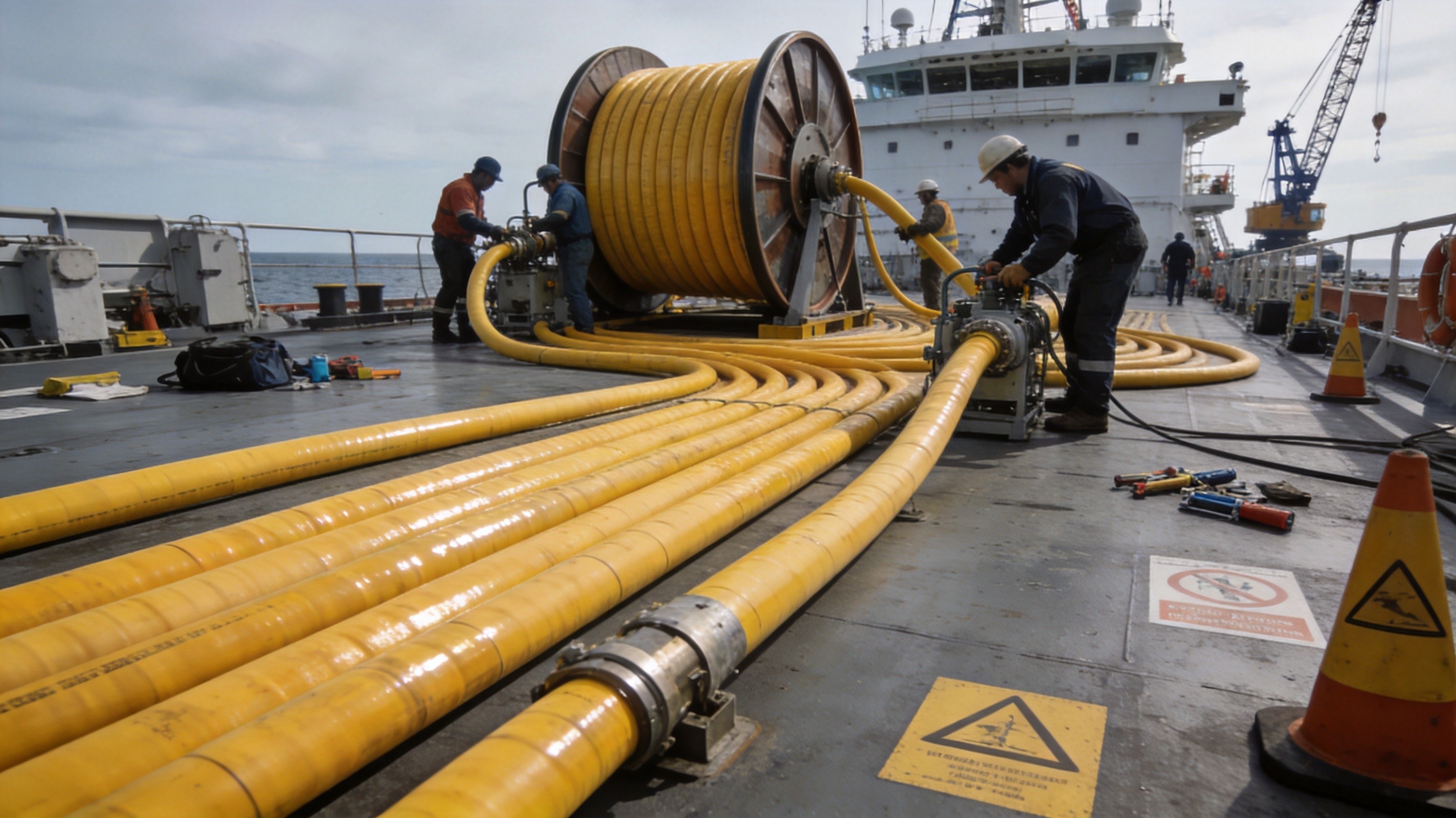
Middle East offshore infrastructure — reconstruction demand outlook
Middle East, Iran / Gulf States June 18, 2026 Source: Financial Times / Xinhua / CCTV

The formal MOU text was published 17–18 June, specifying a 60-day negotiation period for a comprehensive settlement following the signing ceremony scheduled for 18–19 June in Geneva. The fund — private-sector led, not government-funded — has already received over half of its investment commitments, with companies from Europe, South Korea, Japan, and the US expressing interest.

Structural Details:

  • Funding model: Private-sector led. GCC states — Saudi Arabia, UAE, and Qatar — are the primary capital providers, investing directly into Iranian reconstruction projects.
  • Compliance gate: Fund access is staged and linked to Iran's nuclear compliance progress and Strait of Hormuz reopening. Sanctions relief proceeds incrementally, not as a single measure.
  • MOU timeline: 60-day negotiation window following Geneva signing ceremony. Fund disbursement timing depends on compliance milestones.
  • Korean EPC positioning: Samsung E&A and DL E&C are already flagged by securities analysts as primary beneficiaries of Middle East reconstruction, with Samsung E&A named a "top construction pick" for its LNG, refinery, and petrochemical track record.
Workforce Implications

The $300B fund, combined with $46B in regional offshore infrastructure repair spending, creates a two-tier talent demand transmission:

Immediate tier (0–12 months): Repair of damaged offshore infrastructure — Qatar LNG trains, UAE gas processing, Iranian Persian Gulf platforms. This phase demands mobilisation of subsea installation crews, structural inspection engineers, and commissioning specialists at scale.

Medium-term tier (12–36 months): New offshore EPC contracts as reconstruction transitions from repair to capacity expansion. Korean EPC majors mobilising for Iranian reconstruction scopes will sharpen demand for bilingual (Korean-English/Arabic) project engineers and offshore construction managers.

Gulf-state NOCs funding the reconstruction will simultaneously need to staff their own offshore expansion programmes — creating competition for the same talent pool across repair, expansion, and greenfield projects.

IntelliS Intelligence Assessment

The US-Iran MOU and $300B reconstruction fund represent the most significant geopolitical capital injection into the Middle East offshore sector since the post-2004 oil price expansion. Key observations:

  • Talent mobilisation window is narrowing. The 60-day negotiation period means first fund disbursements could begin as early as Q3 2026. Companies that delay workforce mapping risk competing for the same specialists at premium rates once EPC tenders are issued.
  • Bilingual engineering talent becomes a strategic asset. Korean contractors winning Middle East reconstruction scopes will draw project engineers from Southeast Asian and Middle East markets — creating a new dimension of cross-regional talent competition that did not exist 12 months ago.
  • Iranian workforce repatriation remains the key uncertainty. Sanctions relief stages will determine whether Iranian nationals with offshore experience can be mobilised for reconstruction, or whether expatriate labour will fill the gap. This single variable could shift day rates for senior subsea engineers by 15–20% in either direction.

Data Sources: Chosun (citing Financial Times), Xinhua, EastMoney (citing CCTV). Data as of June 18, 2026.

Intelligence Note

Access our Talent Market Scan — mapping talent availability, salary benchmarks, and competitor activity across the Gulf. Data sourced from IntelliS Talent Intelligence Database covering 782 benchmarks across 45 disciplines. Explore our intelligence products →

Back to News
Share: LinkedIn
Was this insight useful?